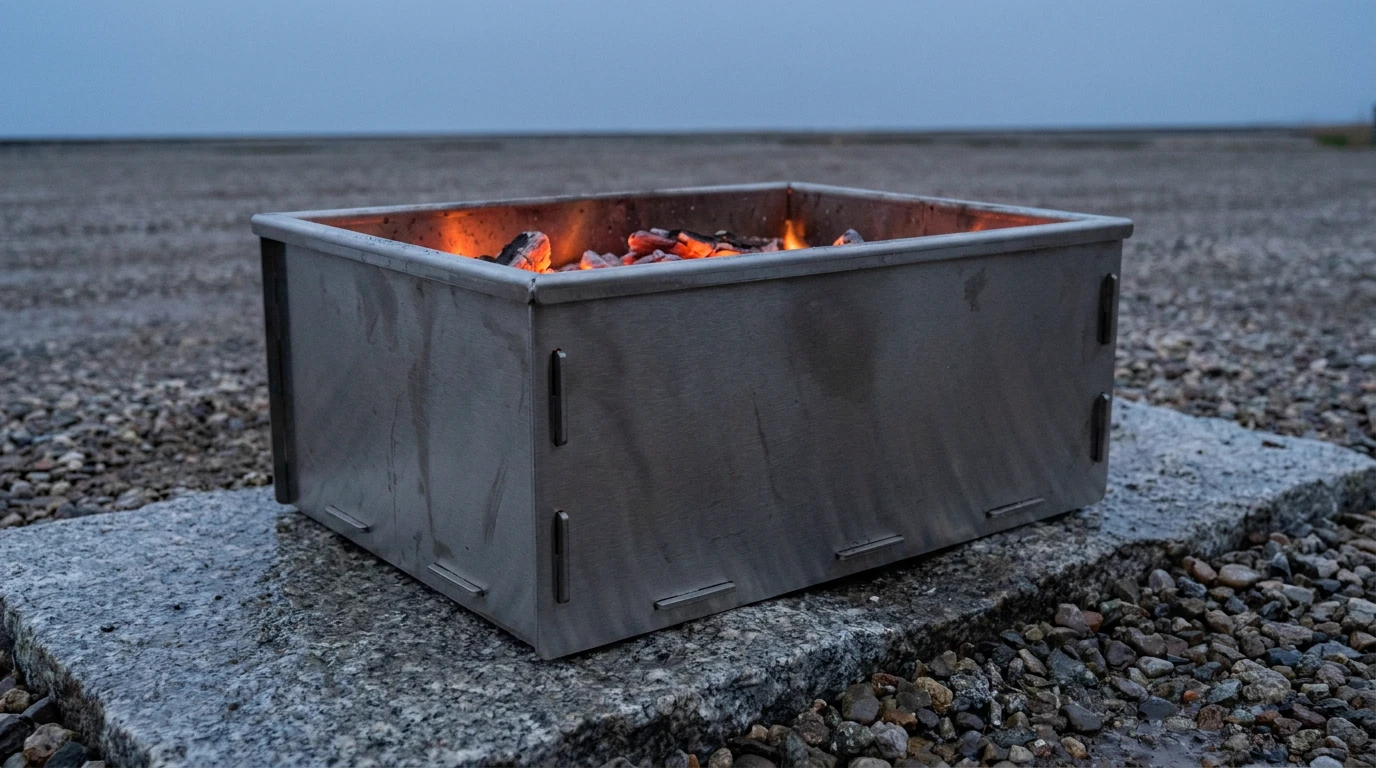
Folding fire pits fail at the hinge, and then the bag stays in the garage.
A hinge is a pin sitting in a barrel, holding two plates that get to 600 degrees and then get rained on. One wet winter and the pin welds itself into the barrel with rust, so the box opens to 80 degrees and stops.
Hearth 22 removes the part that fails. Six flat plates, four corner tabs, and gravity.
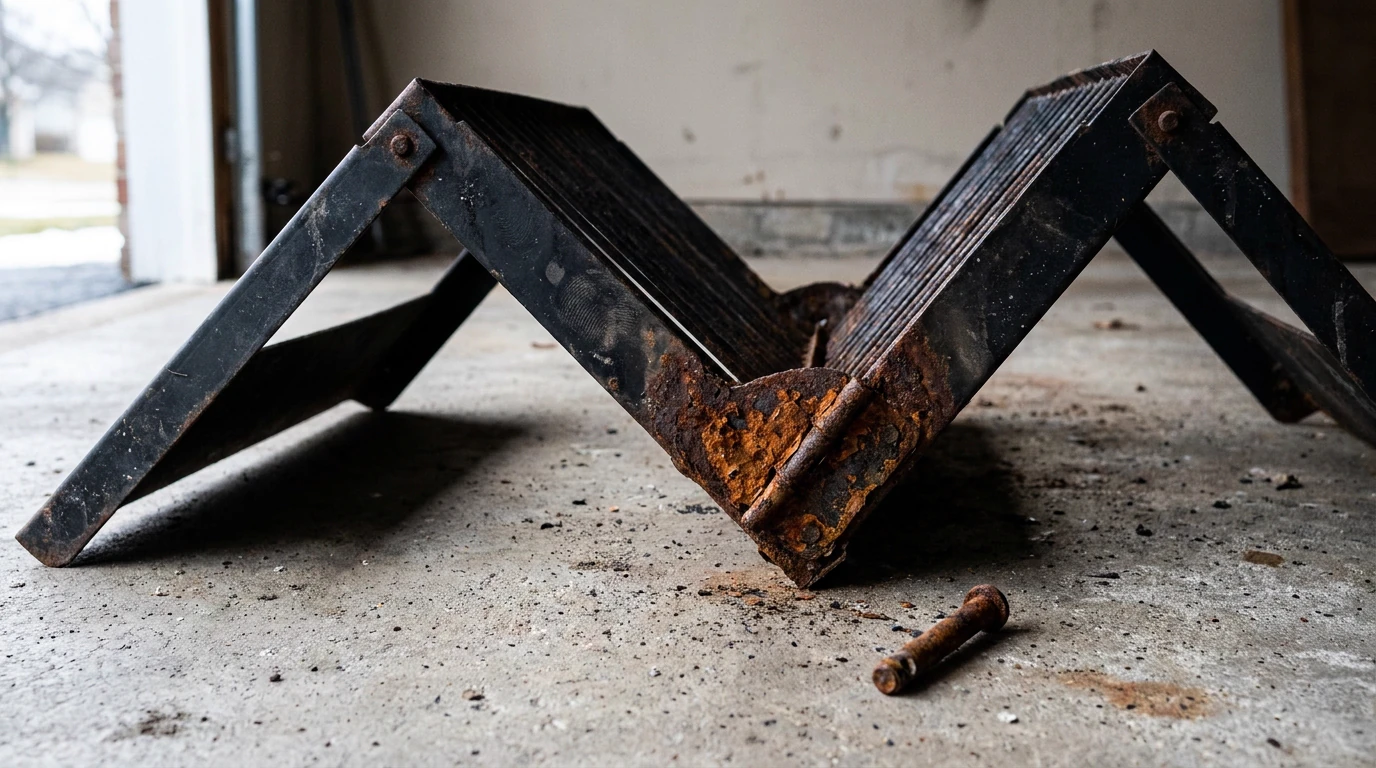
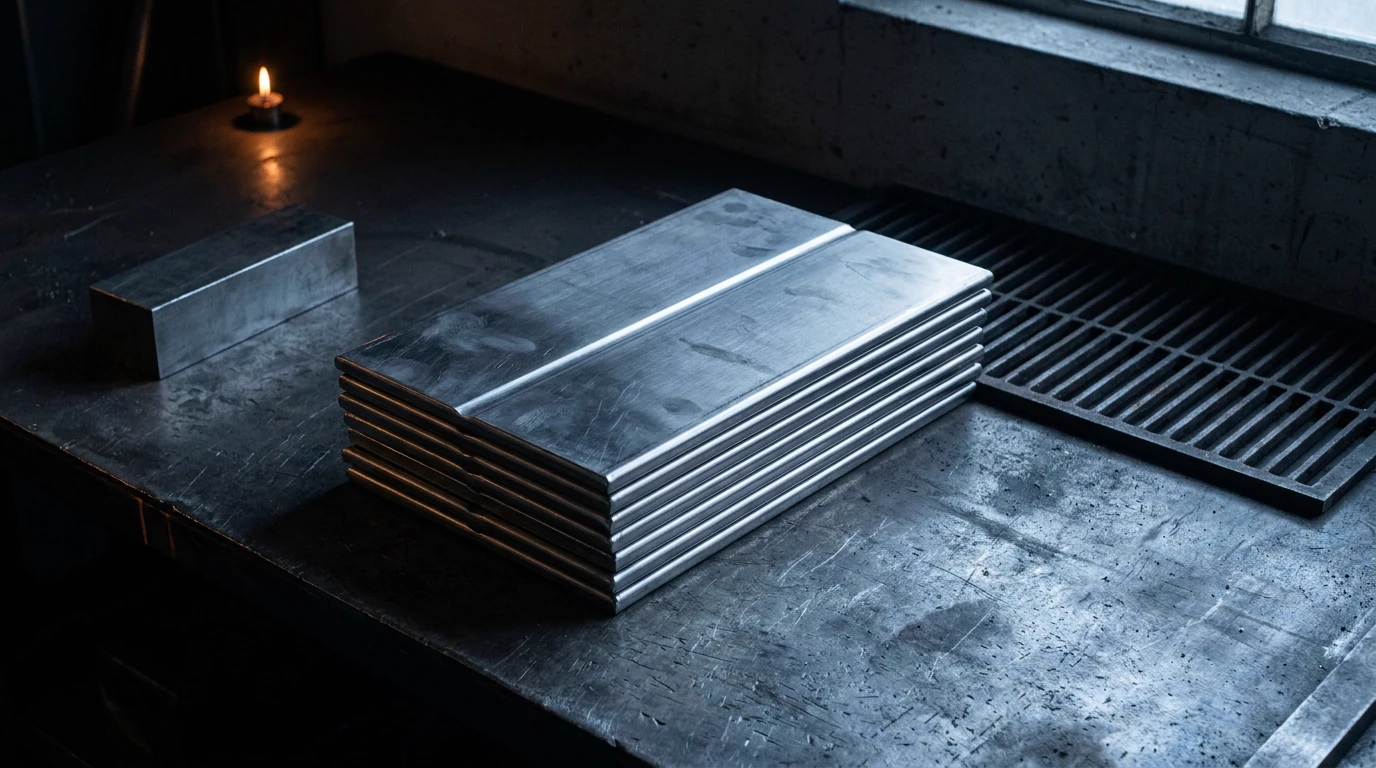
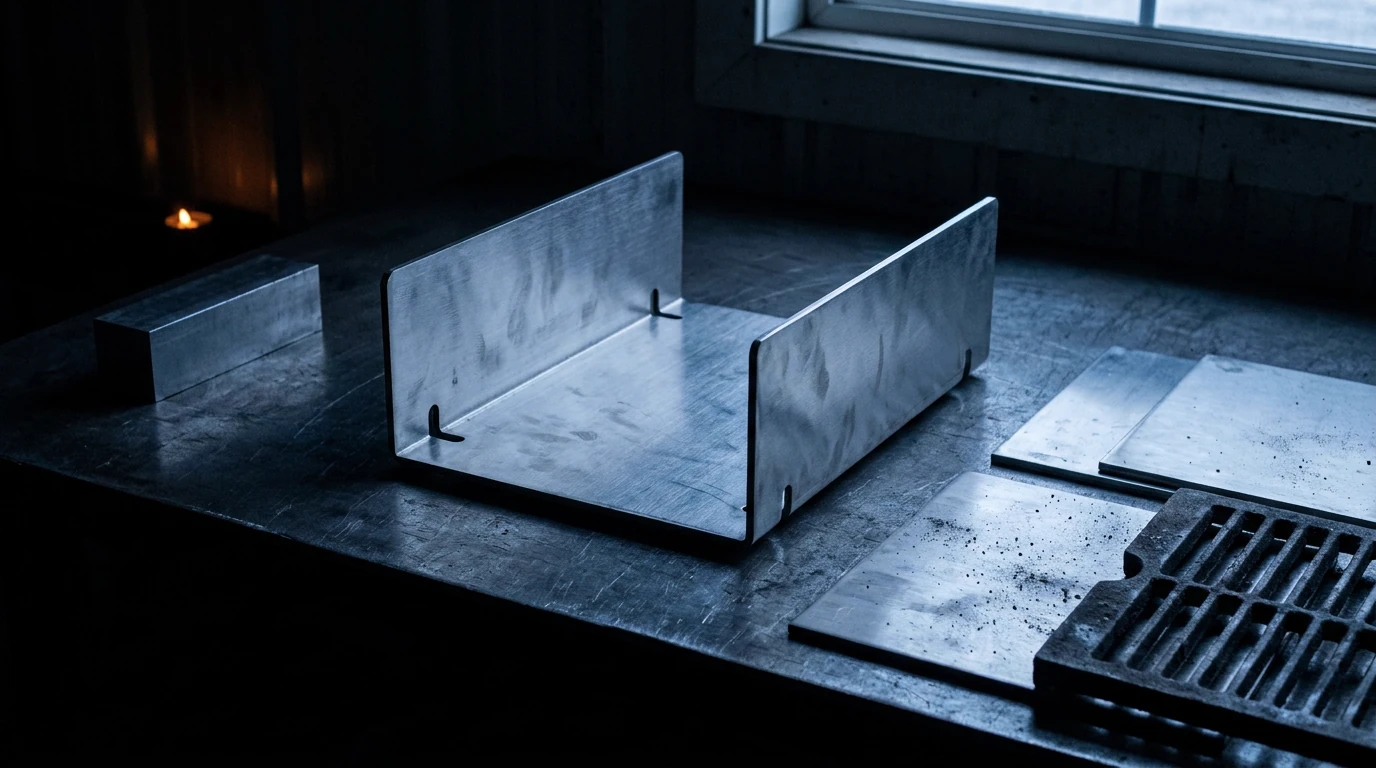
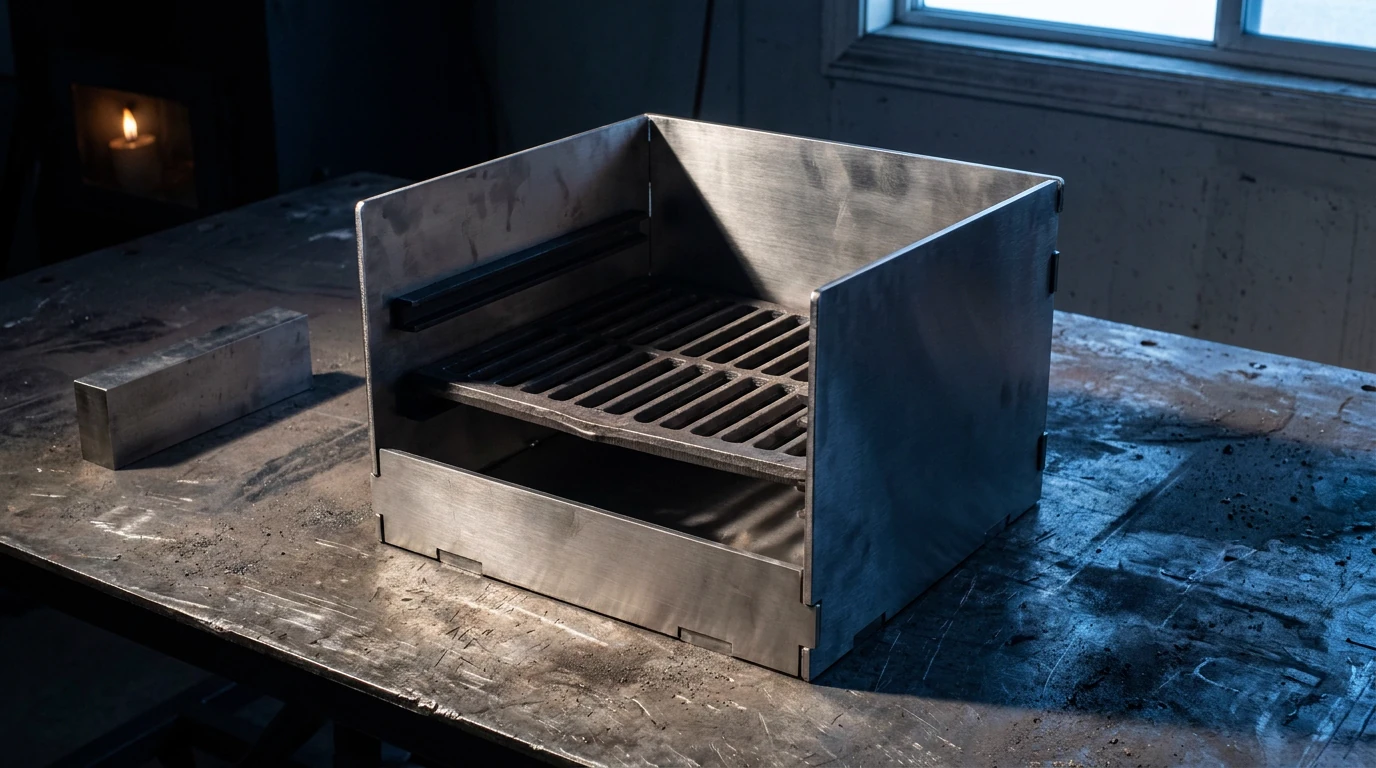
Six plates, four tabs.
Flat on the bench. 22 mm from face to face, grate on top.
- A
Flat on the bench. 22 mm from face to face, grate on top.
- B
Two walls stand and hook into the base. The ends drop in behind them.
- C
The box closes square and the grate bears on the rail at 110 mm.
- D
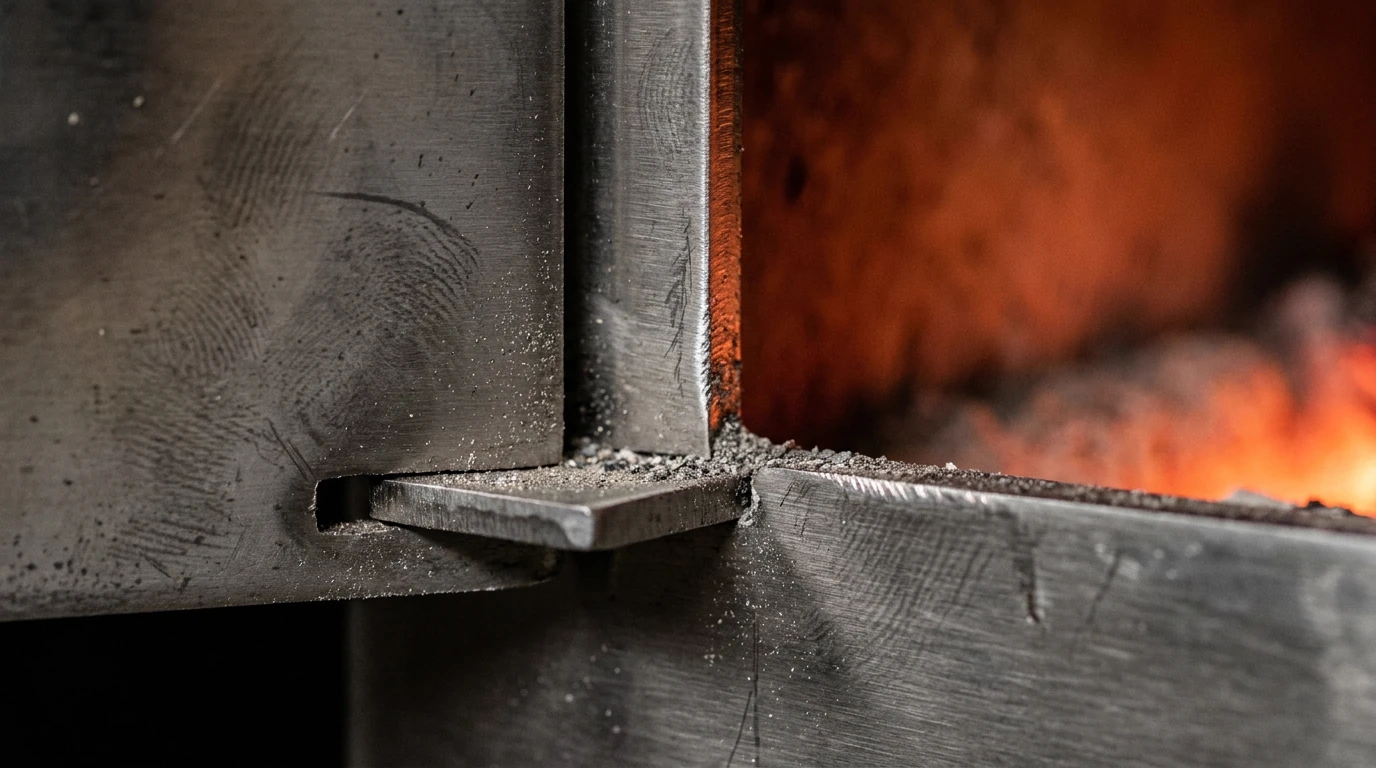
The tab sits in shear against the bottom of the slot, so heat cannot work it loose.
No tools, and nothing to lose in the dark.
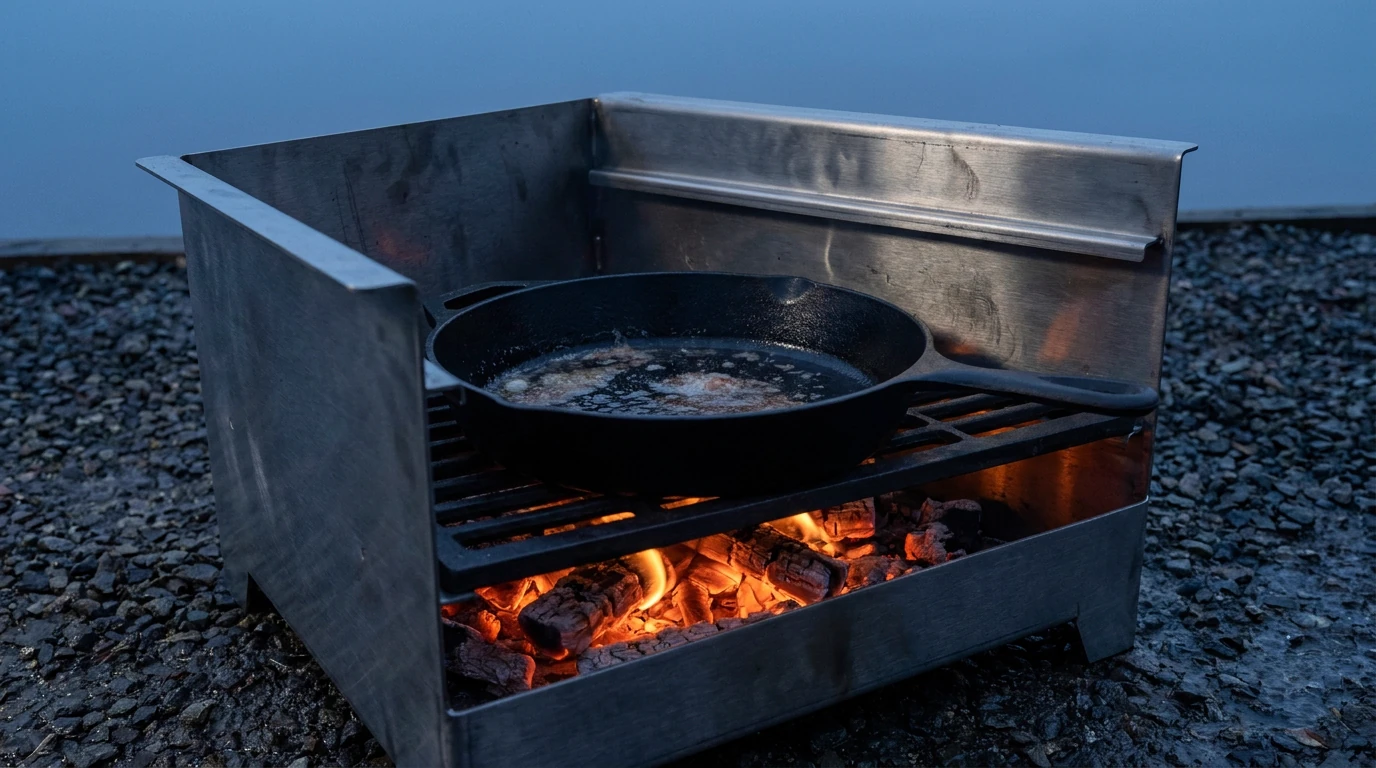
Grate low for a sear. Grate high for a pan.
110 mm above the fuel bed
Slow heat under cast iron, clear of the flame.
The lower rail holds the grate 60 mm above the fuel bed, close enough to mark a steak. The upper rail holds it at 110 mm for slow heat under cast iron. Same grate, same box, one lift to change.
Pick where it has to live.
Packed, Hearth 22 is 22 mm thick, 300 mm long and 220 mm wide, and it weighs 5.1 kg with the grate in the stack. Choose a carrier and see the gap it needs.
Needs 25 mm/You have 34 mm
It goes in with 9 mm to spare.
Under the lid of a 39 litre aluminium case.
304 stainless, 1.5mm walls, cast iron grate.
Sheet this thin would oil-can under heat if it were left flat, so every plate carries a rolled 6 mm hem and one swage pressed down its centre. That is what keeps the walls straight through a season, and it is why the stack is 22 mm rather than 9 mm.
| Wall material | 304 stainless, 1.5 mm |
|---|---|
| Wall stiffening | 6 mm rolled hem, single centre swage |
| Grate | Cast iron, 280 x 200 mm |
| Rails | 60 mm and 110 mm above base |
| Assembled | 300 x 220 x 150 mm |
| Packed | 300 x 220 x 22 mm |
| Packed weight | 5.1 kg with grate |
| Finish | Mill, unpainted |
| Fasteners | None |
Six plates nested on one sheet. Tabs on the long walls, slots in the base and the ends, and no fastener anywhere on the drawing.
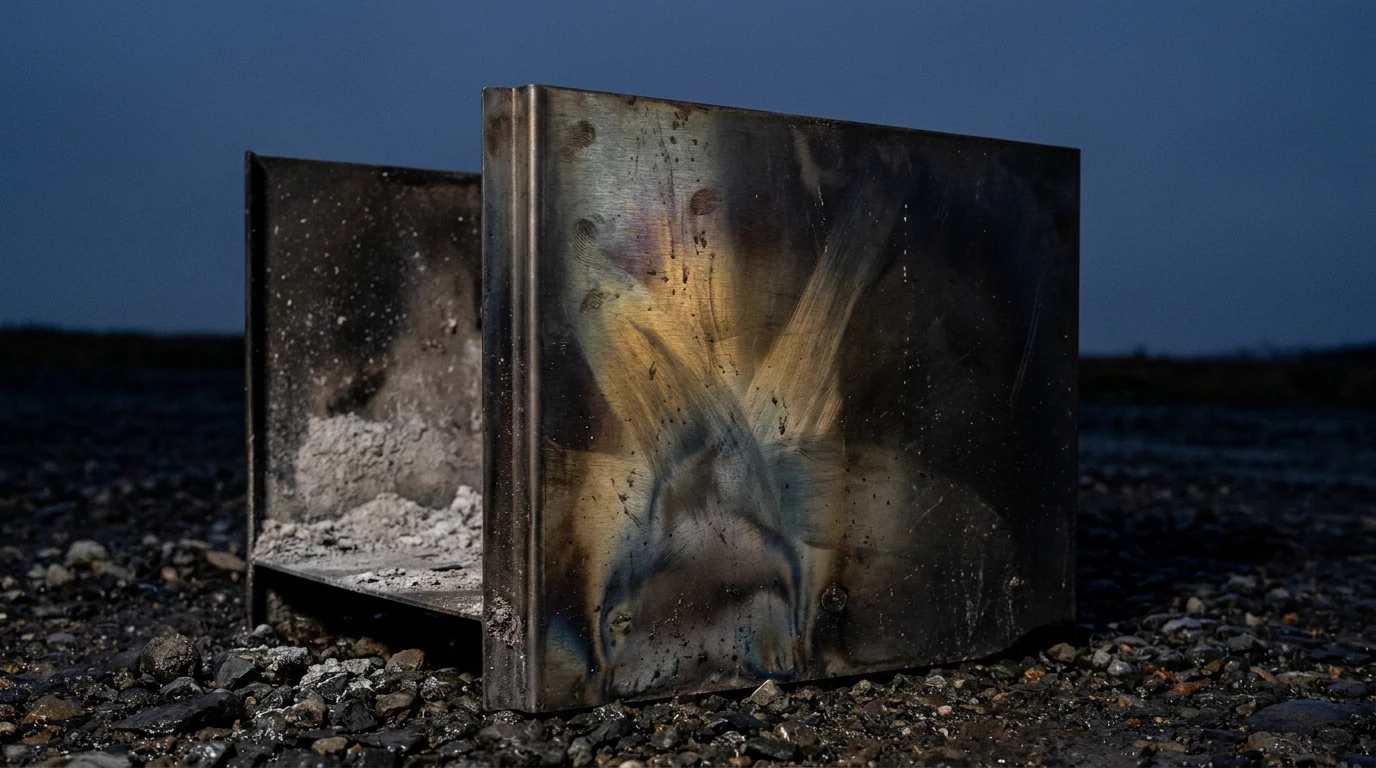
This is the same box, unpolished.
The outside blooms straw and grey-blue where the flame ran hottest. That colour is oxide, and it stops there. Ash cakes into the corner seams and comes out with a wire brush. The tabs still drop through the slots under thumb pressure.
First run is 500 boxes.
Leave an email and you get one message when the campaign opens, with the price, the ship window and the number left. Nothing before that.